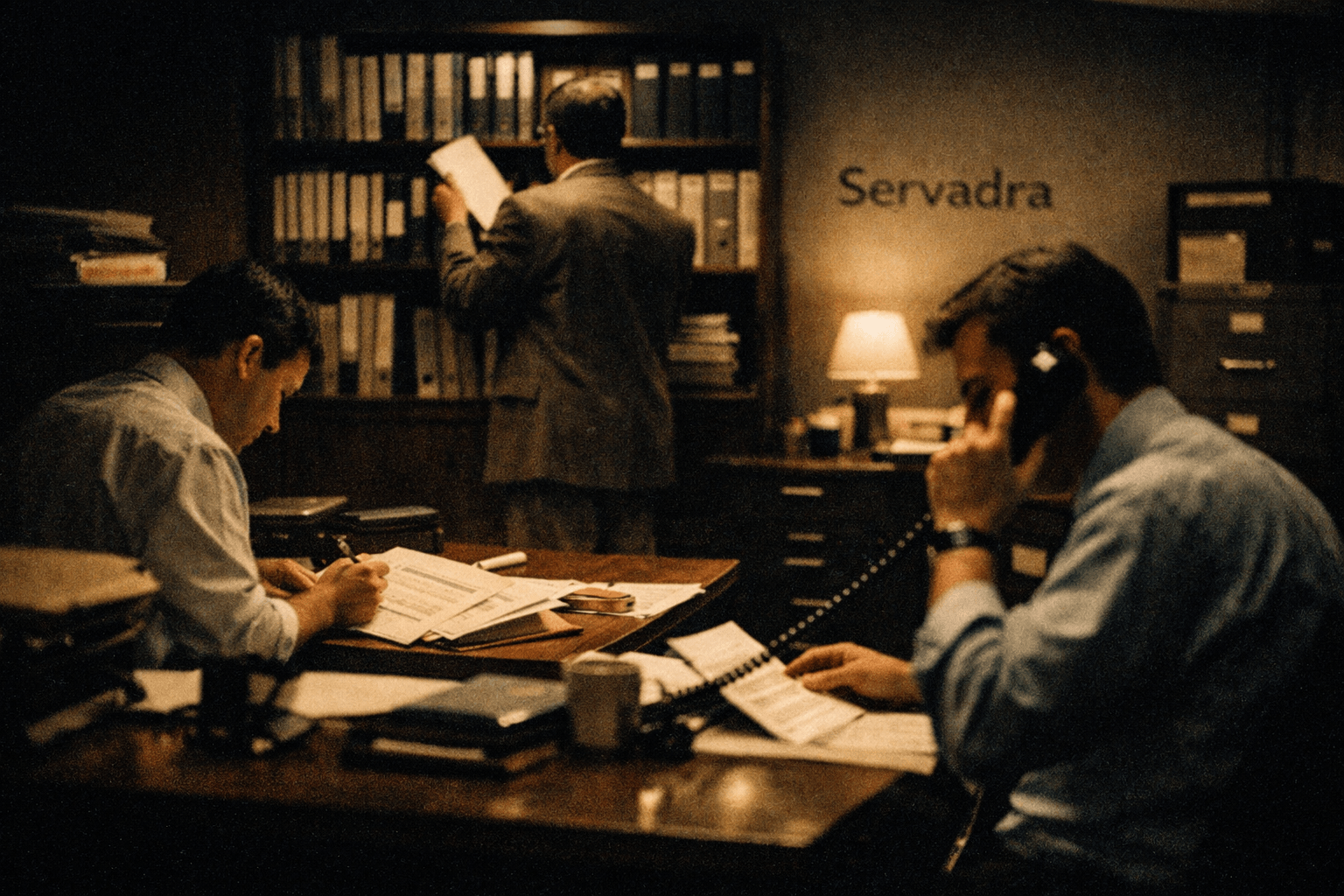
Operational Scenario
After-Sales Support Overload
When support demand grows quietly in the background until it begins to interrupt the rest of the organisation.
Background
Many businesses pay close attention to winning new work.
Far fewer apply the same discipline to what happens after the sale.
Support questions, clarification requests, minor issues, and routine follow-up often arrive gradually. Each individual request appears manageable. Taken together, they can create a persistent operational burden.
This pressure is especially common in service and technology environments where client communication continues well beyond initial delivery.
Operational Situation
Client questions begin arriving across multiple channels.
Some come by email. Some by phone. Some through messaging tools.
Staff respond as best they can, usually while also trying to continue their main project work.
Over time, support handling becomes reactive rather than structured. The organisation absorbs the pressure through interruption rather than through a defined process.
Operational Friction
The problem is not simply volume.
It is fragmentation.
Support requests interrupt delivery work. The same issue may need to be explained more than once. Internal staff pause repeatedly to reconstruct context, confirm status, or work out who should respond.
What should have been routine begins to feel disruptive.
Service quality becomes harder to protect because the team is constantly switching attention between delivery and reactive support.
Structural Intervention
A more stable model introduces a clearer support handling layer.
Common requests should be documented. Expected types of support should be easier to route. Repeated questions should not require the same level of manual reconstruction every time they appear.
The purpose is not to remove human care.
It is to reduce unnecessary repetition and protect operational focus while maintaining consistency.
Operational Outcome
Support becomes more predictable.
Interruptions become less disruptive.
The team can maintain service quality without sacrificing the rest of its operational rhythm.
Clients experience steadier communication, while the business retains better control over time, attention, and follow-through.
Governance Note
A healthy service business requires structure after the sale as well as before it.
When support handling remains informal, routine communication can quietly become a source of operational instability.