
Scenario Library
Operational Scenarios
Real operational situations observed across organisations.
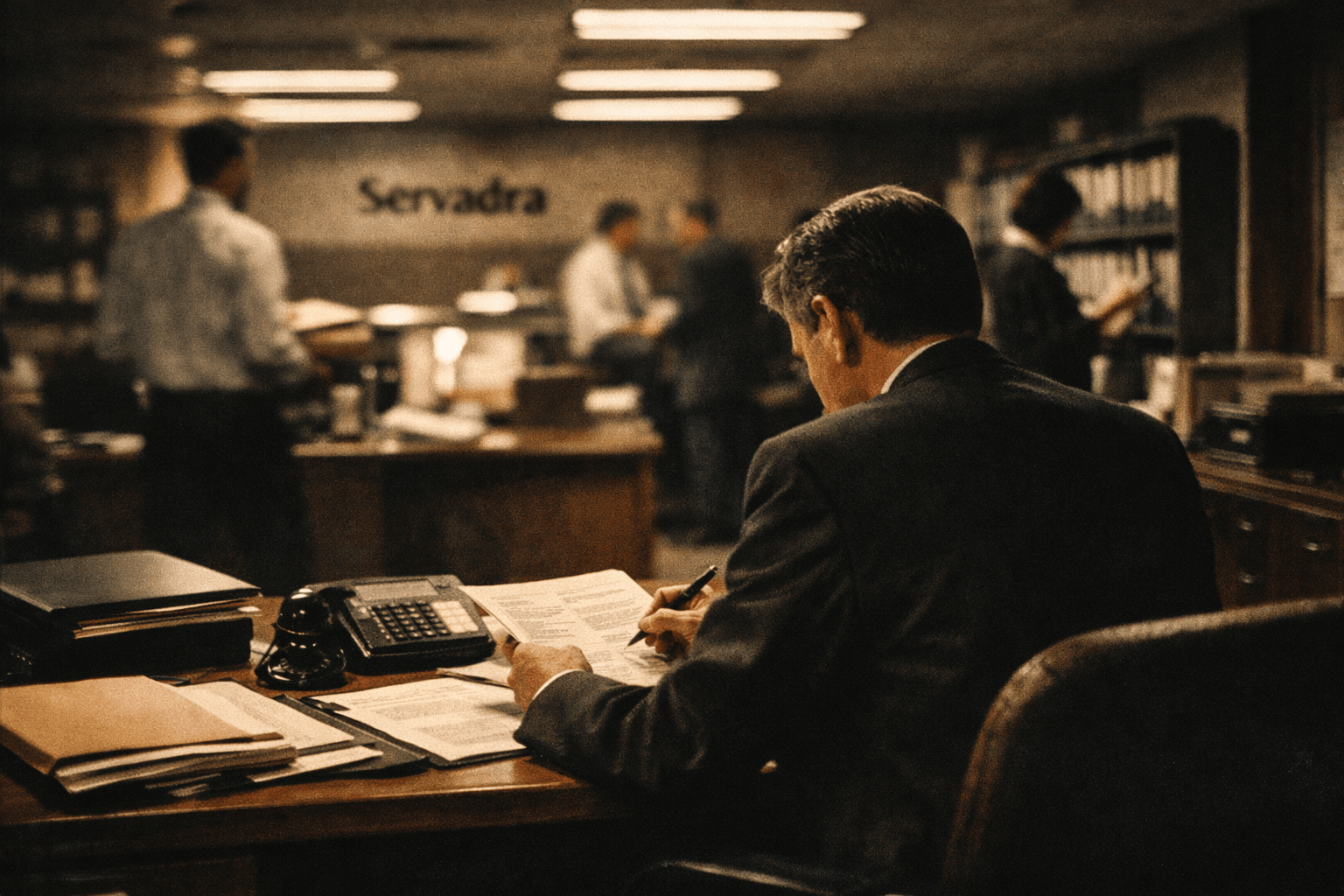
These scenarios are drawn from operational situations commonly seen across growing organisations.
They show where communication, ownership, and information flow begin to weaken when structure is unclear.
The aim is practical rather than theoretical: to make common operational pressure easier to recognise and easier to address.
Try the widget now, or request a private discussion if you already know where the pressure is.
Why Operational Scenarios Matter
Most operational pressure begins quietly
Most operational problems do not begin with dramatic failure.
They begin quietly.
A client contacts the owner instead of the team. A document cannot be found when it is needed. Responsibility becomes vague once several people are involved.
At first, these situations appear manageable.
Over time, they create pressure across the organisation. Communication slows. Decisions depend on individuals rather than structure. The business begins to rely on personal effort rather than coordinated operational discipline.
These patterns appear across many sectors.
Recognising them is often the first step towards resolving them.
Scenario Library
Explore common operational situations
Each scenario below highlights a recurring coordination challenge and the structural pressure behind it.
Auction Coordination Under Time Pressure
A fast-moving operational environment where timing, clarity, and coordination become critical.
View scenario SCN-OPS-002When Clients Bypass the Team
When trust sits with one person rather than the organisation, operational flow starts to weaken.
View scenario SCN-DOC-003Documents That No One Can Find
When useful information exists somewhere in the business, but retrieval becomes manual and slow.
View scenarioUse the widget to test a real scenario, or open the free report flow.
After-Sales Support Overload
When support demand grows faster than the handling structure behind it.
View scenario SCN-OPS-005The Single-Hero Organisation
When too much of the organisation still depends on one capable person being available.
View scenario SCN-OPS-006When Responsibility Slowly Disappears
When shared involvement gradually replaces clear accountability.
View scenario SCN-BZT-SWH-001Software House
When early software enquiries are genuine but too unclear for the team to move forward efficiently.
View scenario SCN-BZT-IOT-001Trading Company
When product and installation enquiries need better first-layer structure before quotation or follow-up begins.
View scenario SCN-BZT-EDU-001Consulting Company
When early family enquiries begin with uncertainty and need clearer structure before consultant follow-up.
View scenarioReady to See If It Fits?
Tell us how your enquiries really flow today. We'll review it privately — email only — and tell you honestly if structured support will make a difference.
Click the Widget to try now, No calls — Just a simple email exchange to see if it fits.
See What Your Team Receives
When a conversation is escalated, your team gets a structured handoff report.
No guessing. No repeating. Full context from the first message.
Contact Details
| Name | Sarah Mitchell |
| s.mitchell@demo-company.co.uk | |
| Channel | Website Chat Widget |
| Session Started | 14 Apr 2026, 10:23 AM |
| Messages | 8 messages over 6 minutes |
| Escalation Trigger | Customer requested human assistance |
This is a sample report using fictional data. Real reports are generated automatically from live conversations.